Electronic Shelf Labels for Retail: Hardware, Software and POS
Changing prices, printing new tickets, checking promotions, and replacing paper shelf-edge labels can take up a surprising amount of time in a retail store. When prices change regularly, or several promotions need updating at once, keeping everything accurate can become a daily task for staff.
Electronic shelf labels offer a different way to manage this work. Instead of relying on printed price tickets, retailers can display product prices and information digitally, with updates managed through connected software. They can also use larger digital displays to promote offers and campaigns around the store.
A complete electronic shelf label solution involves more than just the basic labels. Retailers need suitable hardware, software to manage product information, and, where appropriate, larger promotional displays. ShelfTalker brings these three areas together, giving retailers options to upgrade existing equipment or introduce a complete system.
1. Electronic Shelf Label Hardware: What Does a Complete ESL System Include?
Electronic shelf labels are digital displays fitted to shop shelves, replacing traditional paper price tickets. They show product prices and can display other information, such as promotions, product details, and special offers.
For retailers, the main benefit is having a way to manage shelf-edge information without printing and manually replacing individual tickets every time something changes. Instead, product data is sent through the connected system and displayed on the relevant labels, reducing the time staff spend updating paper price tickets.
However, choosing electronic shelf label hardware involves more than deciding how many labels a shop needs. The size of the store, number of products, type of shelving, and information retailers want to display will all influence the setup.
What Are Electronic Shelf Labels and How Do They Work?
Electronic shelf labels, also known as electronic shelf edge labels (ESLs or ESELs), are digital displays that sit along the edge of retail shelves. Each label is assigned to a product, allowing it to show the correct price and other relevant information.
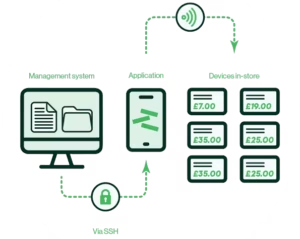
The labels receive updates through a connected system. Product and pricing information is managed through ESL software, which sends the relevant information to the displays using the system’s access points. When a price or promotion changes, the updated information can be sent to the assigned label without staff having to print and replace a paper ticket.
This can make a noticeable difference in stores. Rather than working through rows of printed labels, staff can manage updates digitally and spend less time on repetitive shelf-edge tasks.
What Types and Sizes of Electronic Shelf Labels Are Available?
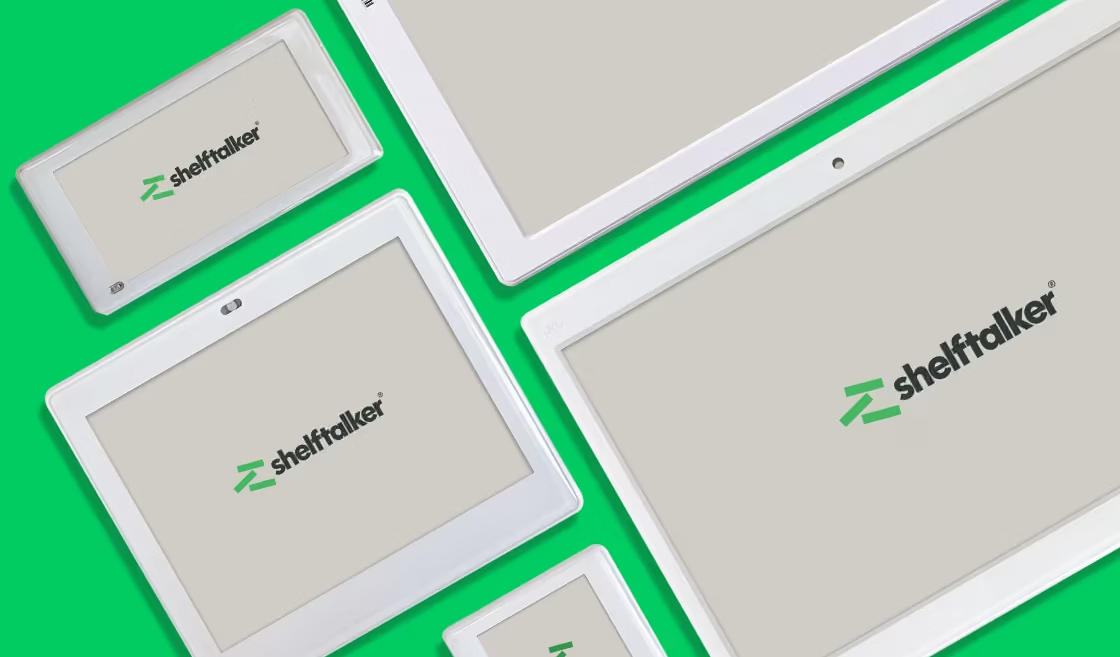
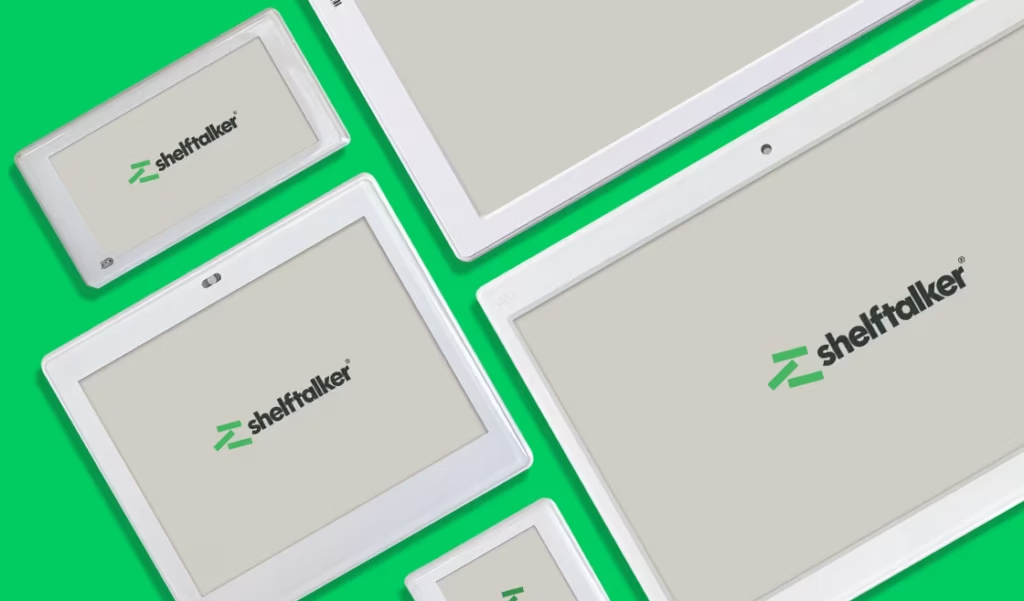
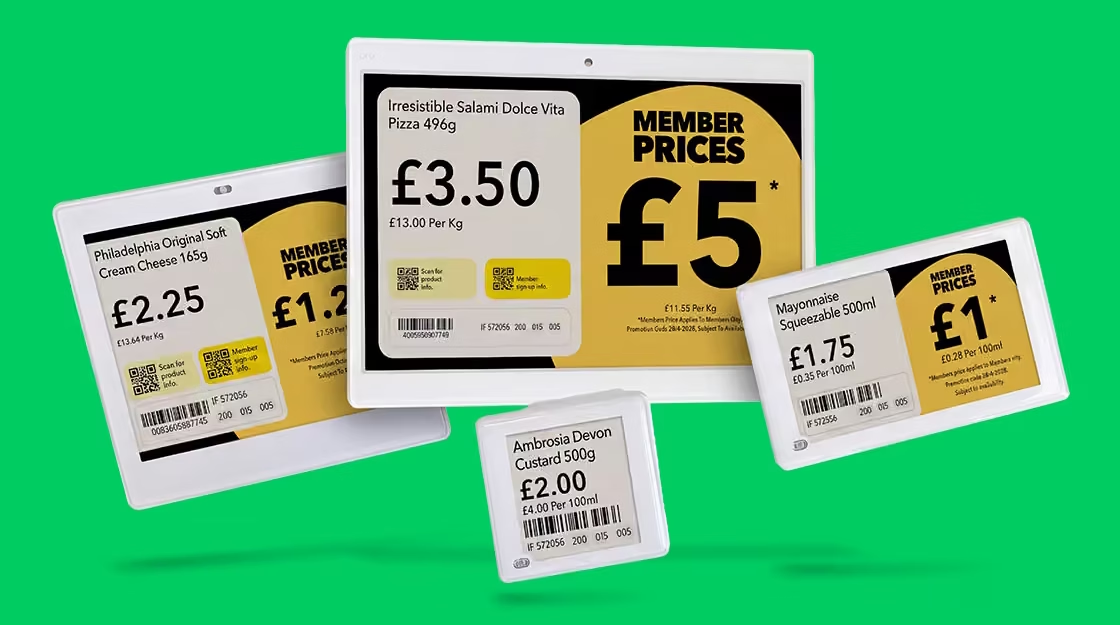
Not every product needs the same size of display. A small label may be suitable for a standard shelf-edge price, while a larger screen can provide more room for product information or promotional content.
Electronic shelf labels are available in different sizes and display formats, allowing retailers to choose equipment that suits their products and shelving. Typical shelf-edge label sizes range from 1.5-1.6 inches and 2.2-2.3 inches through to 2.6-2.9 inches and 4.2-4.3 inches. For larger promotional displays, screen sizes start at around 7.5 inches and extend to 32 inches and beyond. This allows retailers to use smaller labels across standard shelving while introducing larger displays in areas where promotional content needs more space.
What's Included in a Complete Electronic Shelf Label Package?
For retailers introducing electronic shelf labels for the first time, buying individual components can make the process harder to manage. A complete package brings the equipment and setup together, so the store has the hardware and support needed to get started.
A ShelfTalker hardware package can include:
- Electronic shelf labels in agreed sizes and quantities
- Access points to connect the system
- Shelf strips and fittings suited to the store’s shelving
- ShelfTalker software
- Product data onboarding
- Installation and training
- Ongoing UK-based support
2. Electronic Shelf Label Software: How Can Retailers Manage Prices and Promotions?
Hardware provides the displays, but software is what allows retailers to manage them. Without a suitable platform, electronic shelf labels would be little more than digital versions of paper tickets.
ESL software connects product information to the labels, manages templates, and gives retailers control over what appears on their displays. It can also help coordinate pricing and promotions across multiple stores, depending on the retailer’s setup.
For businesses that already have electronic shelf labels, changing the software may be worth considering before replacing the hardware. ShelfTalker’s software is designed to work with compatible displays from several major manufacturers, giving retailers another option if they’re frustrated with their existing platform.
How Does Electronic Shelf Label Software Work?
Electronic shelf label software brings product data and digital displays together. It gives retailers a place to manage products, assign information to labels, create templates, and send updates to the shop floor.
The process starts with product information. This might come from an existing product file, a scheduled data feed, or a more direct system connection. Once the data is available, retailers can use the software to manage how information appears on their labels.
For example, a retailer could create a standard price template for everyday products and a different layout for promotional items. When a product’s price changes, the software can update the relevant display using the connected data.
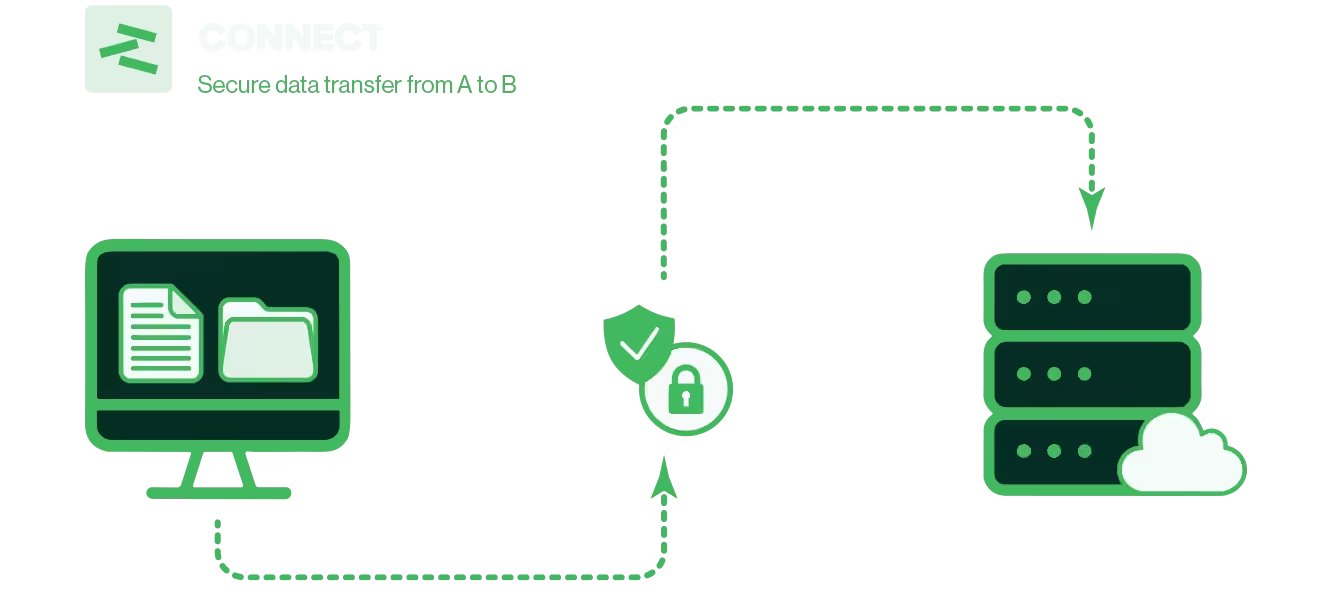
ShelfTalker also supports different ways of bringing information into the platform, including CSV files, scheduled URL feeds, SFTP connections, APIs, and ready-made integrations such as Shopify. The right method will depend on the retailer’s existing systems and the information they need to share.
How Does ESL Software Connect to EPOS Systems and Product Data?
Retailers already hold much of the information needed to manage electronic shelf labels. Product names, prices, and other details are often stored in an EPOS or retail management system.
Connecting this information to ESL software means retailers don’t have to manage every product detail separately. Instead, data can be brought into the platform through an agreed connection, allowing the software to use it when updating the displays.
Can Retailers Create Branded Electronic Shelf Label Templates?
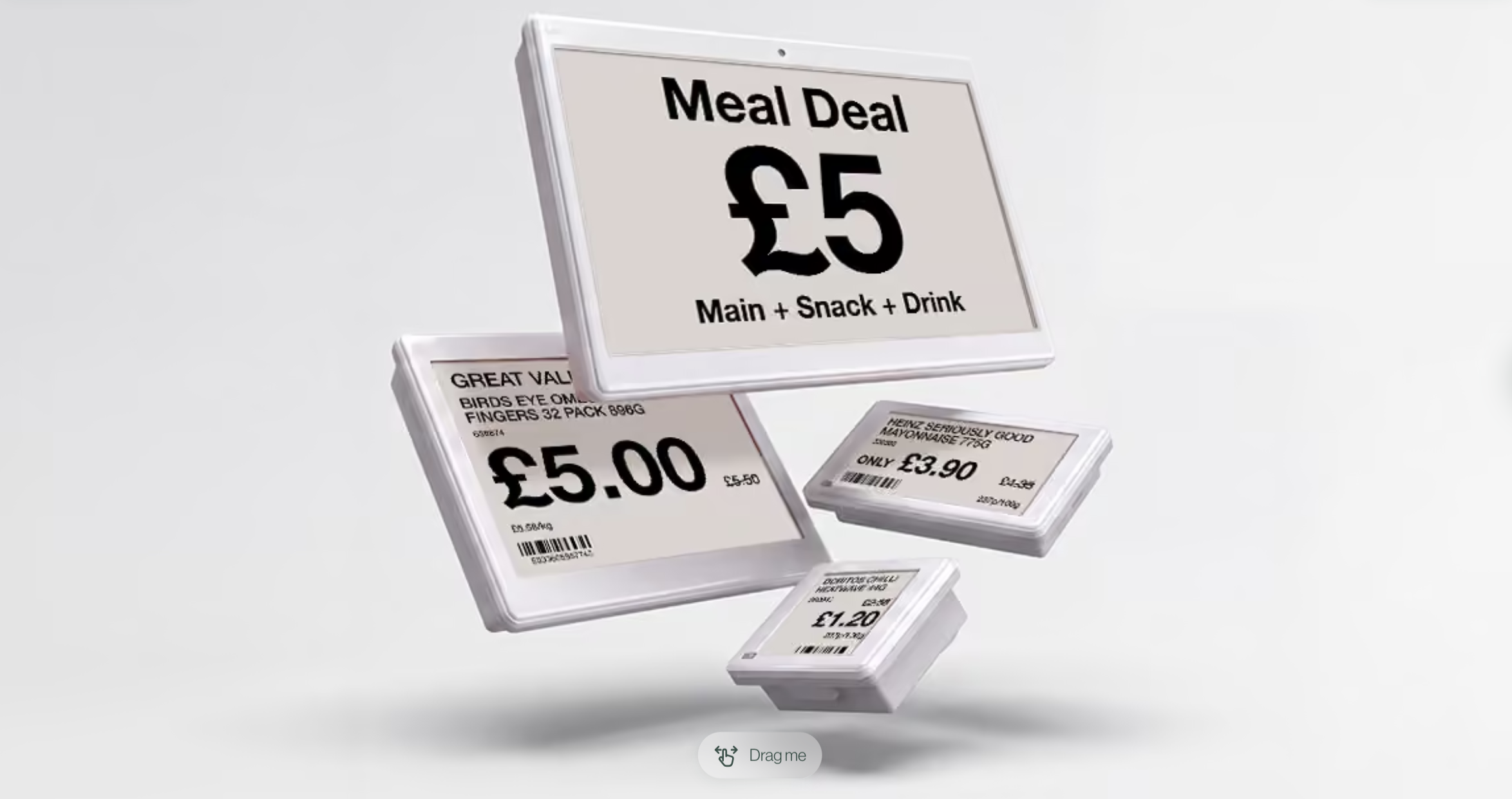
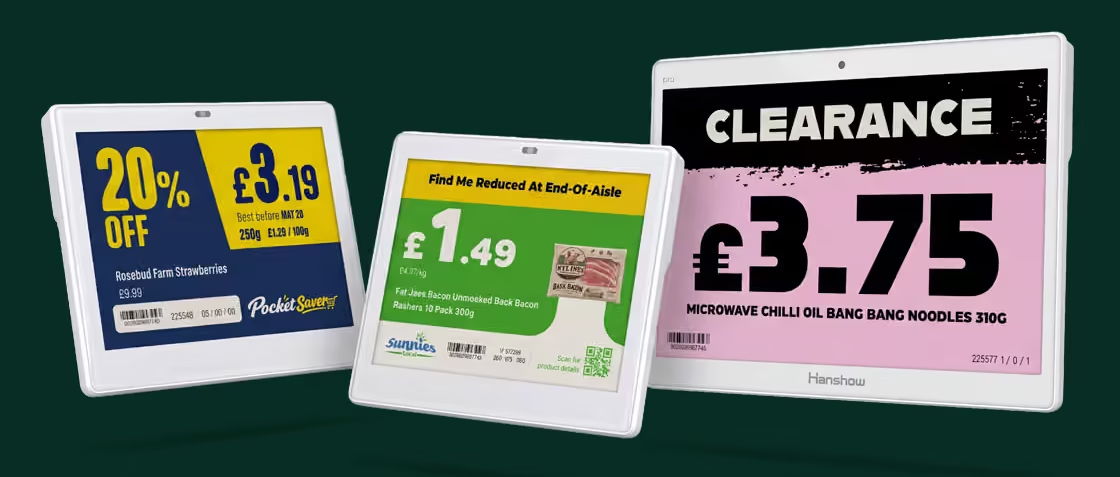
Electronic shelf labels don’t have to look the same in every store. Templates control how information is arranged on the display, including prices, product details, promotional messages, and branding.
A retailer might want a clean, straightforward layout for everyday prices, then a more noticeable design for a multibuy or clearance offer. Having different templates available makes it easier to present information in a way that suits the product and the store’s branding.
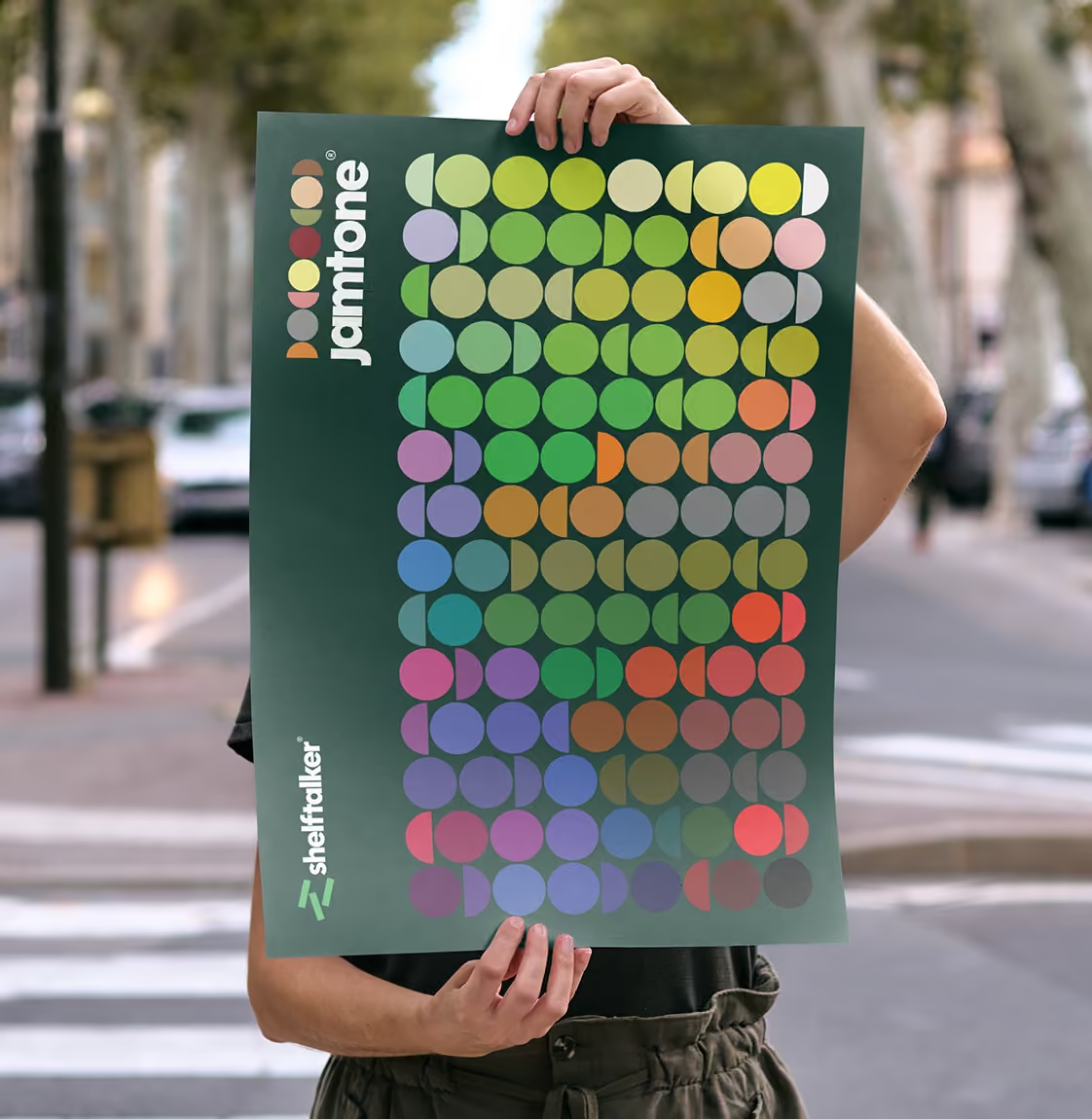
ShelfTalker offers professionally designed themes as well as bespoke layouts. Retailers can also work with different colour options. The software includes Jamtone’s colour recipe library, which helps retailers achieve consistent colours across supported electronic shelf labels. It provides access to an extensive range of colours, with up to 35 colours available on four-colour displays and over 125 on six-colour displays. This gives retailers more flexibility when creating branded templates and promotional designs.
How Can Retailers Update Prices and Promotions Across Multiple Stores?
Managing prices across several branches can become complicated when every store has to keep its shelf-edge information up to date. Centralised ESL software gives retailers a way to manage products, templates, promotions, and user access across their stores.
Head office can manage shared templates and campaign information, while individual branches can work with the product data relevant to their location. This is useful for retailers that want a consistent brand appearance without losing control of local pricing and product information.
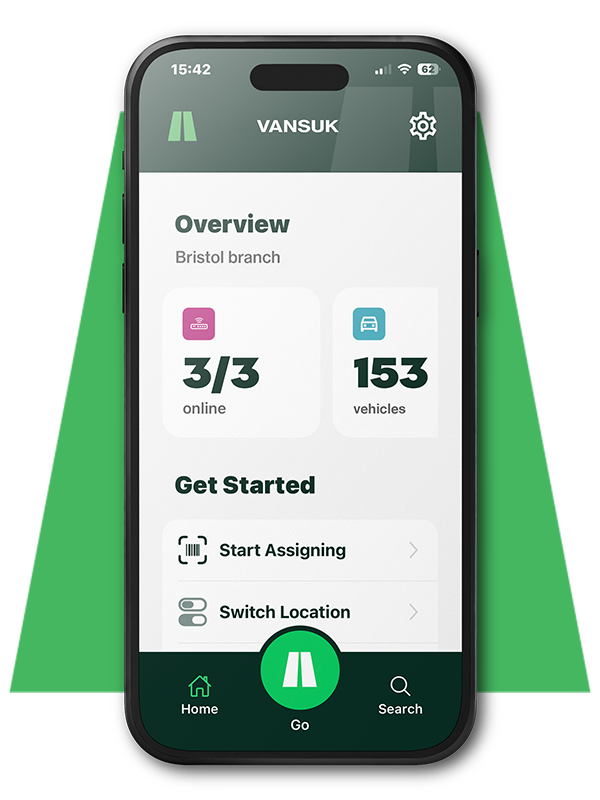
ShelfTalker’s mobile app also allows staff to search for products, scan labels, assign products, and make updates. This can be helpful when working on the shop floor, particularly when a member of staff needs to find a specific display without returning to a computer.
Can ESL Software Automate Price Changes and Markdown Promotions?
ESL software can help retailers manage changes through automation rules and scheduled updates. Rather than relying on someone to remember every change, retailers can set up workflows that apply the relevant information at the agreed time.
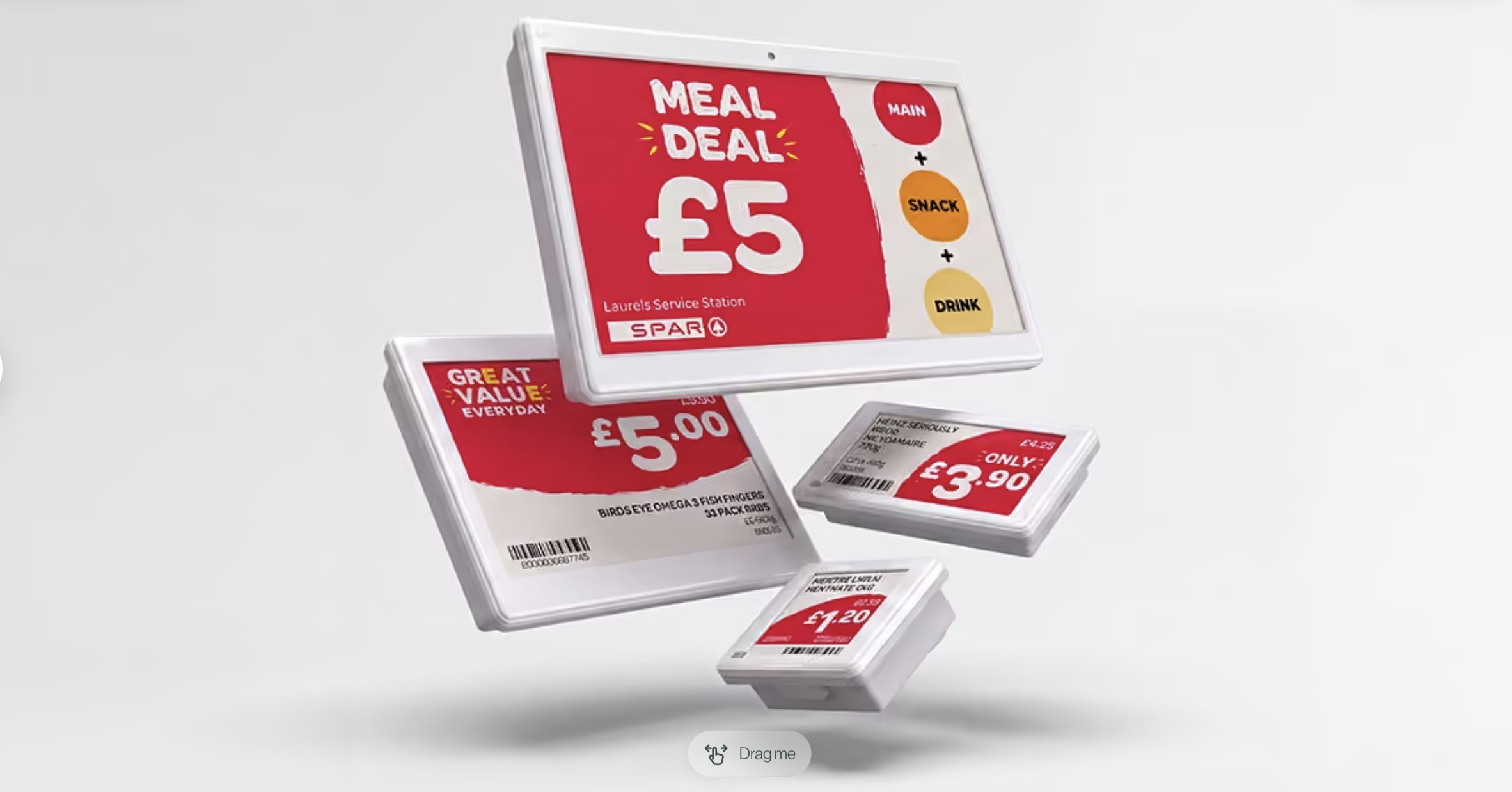
ShelfTalker supports different promotional and product layouts, including markdowns, clearance offers, multibuys, and out-of-stock information.
For retailers managing food waste, digital markdowns can also form part of a wider process for reducing the time spent identifying and updating products. ShelfTalker’s integration with Gander supports retailers using digital displays as part of their markdown and waste-reduction workflows.
3. Digital Point-of-Sale Promotional Displays: How Can Retailers Make More of Their Promotions?
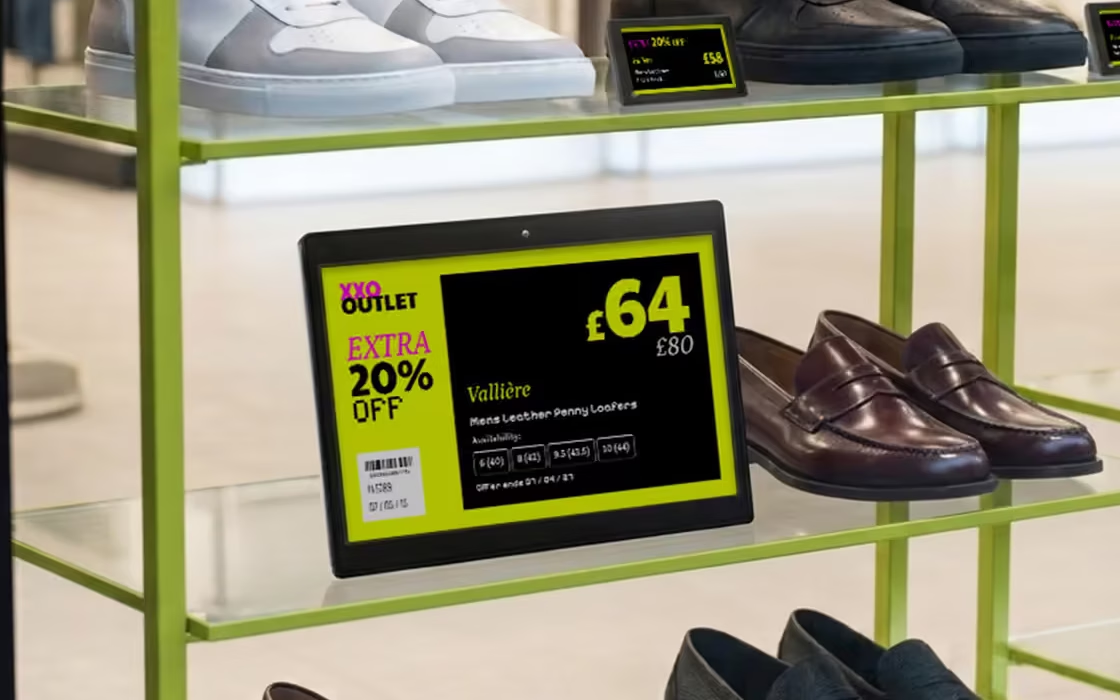
Electronic shelf labels help retailers manage information at the shelf edge, but some promotions need more space to get noticed. A small price label may be suitable for showing a product’s price, but it won’t always provide enough room for a campaign message, product image, or detailed offer.
Digital point-of-sale promotional displays give retailers another way to communicate with customers around the store. These larger displays can replace printed promotional signage, bringing product information and campaign creative together in a format that’s easier to update.
ShelfTalker’s POS solution focuses on promotional displays rather than EPOS tills or payment systems. It works alongside electronic shelf labels, allowing retailers to use digital displays in different areas of the shop.
What are Digital Point-of-Sale Promotional Displays?
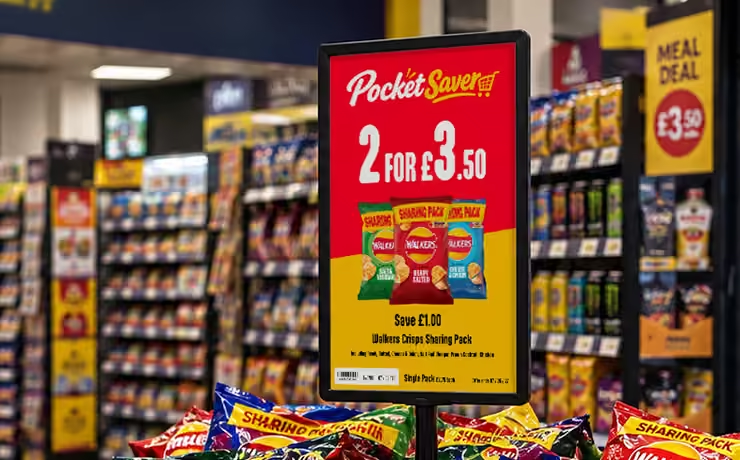
Digital point-of-sale displays are electronic screens used to promote products, prices, and offers in retail environments. They’re often placed in areas where retailers want to draw attention to a particular product or campaign.
Unlike a standard shelf-edge label, a larger promotional display has more room for visual content. Retailers can combine product information with branded designs, headlines, images, and promotional messages.
These displays can be used to replace some of the printed posters, price signs, and promotional materials that need changing whenever a campaign ends or an offer is updated.
For retailers running frequent promotions, this means less time spent producing and replacing printed signage. It also gives them more flexibility when campaign details change.
Where Can Retailers Use Digital Promotional Displays?
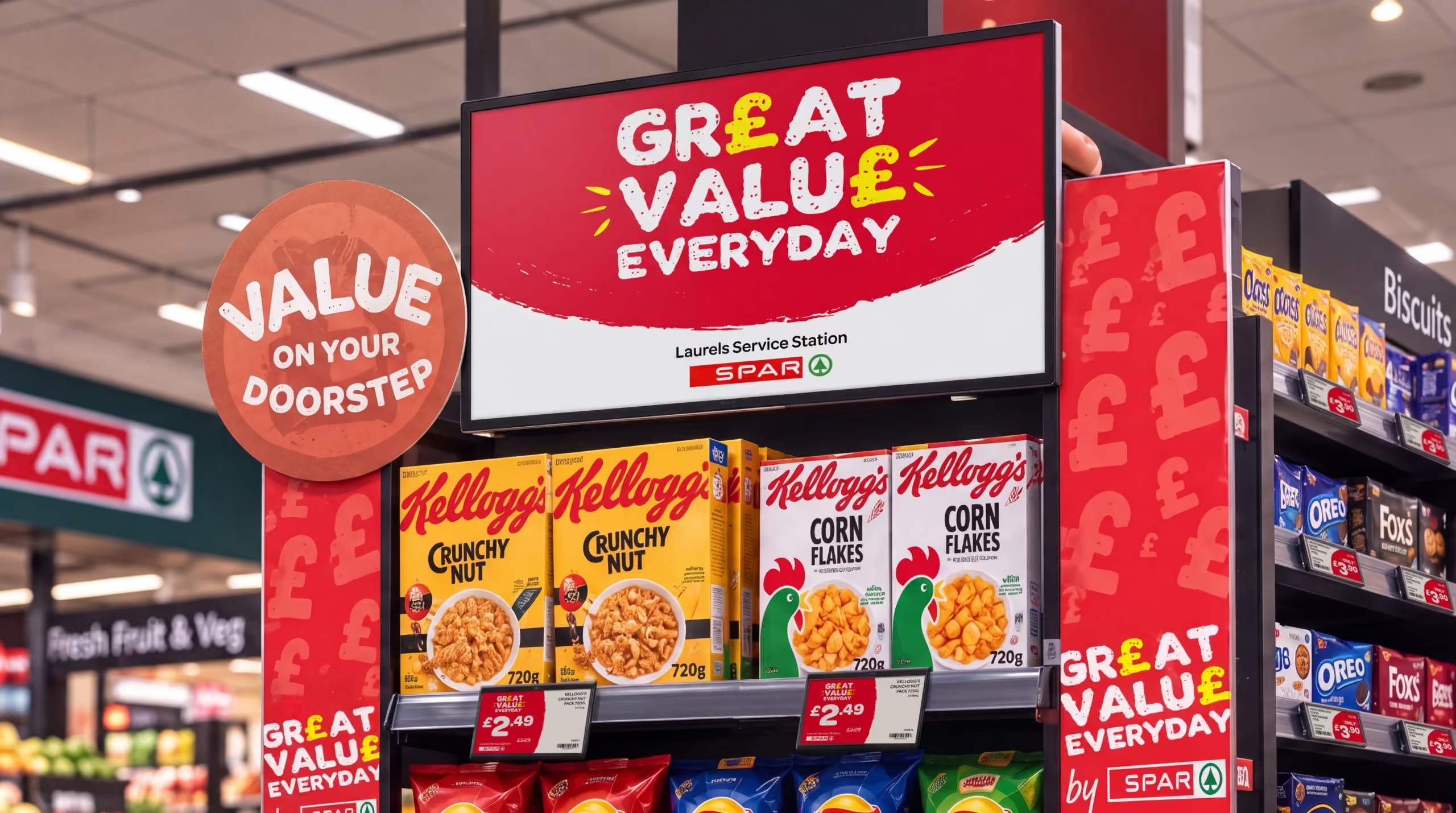
Larger digital displays can be used in different parts of a store, depending on the products being promoted and the available space. Common placements include:
- Gondola ends
- Dump bins
- Pallet stacks
- Promotional product displays
- Larger shelf-edge areas
- Other high-visibility areas around the shop
ShelfTalker offers promotional display options from 7.5 inches to 32 inches and larger. This gives retailers scope to use different screen sizes throughout the store, rather than relying on one format for every promotional area.
A smaller display might suit a particular shelf or product section, while a larger screen could be used where a campaign needs more room. The aim is to match the display to the space and the information customers need to see.
What Types of Promotions Can Digital Displays Show?
The content depends on the campaign and the display being used. A retailer might want to highlight a multibuy, promote a member price, or draw attention to a product that’s been reduced.
ShelfTalker supports promotional layouts for different retail offers, including:
- Was/now pricing
- Multibuy promotions
- Member prices
- Meal deals
- Markdown and clearance offers
- Wider campaign messages with images, logos, and headlines
Combining product data with campaign creative means the display can show the offer alongside the relevant product information. Retailers can use branded templates to keep promotional content consistent with the rest of their store materials.
This is particularly useful when a campaign needs to communicate more than a price. A larger display can give customers additional context about the offer, helping them understand what they’re looking at while browsing.
How Can Retailers Update Promotional Displays Without Reprinting Signage?
Printed promotional signage has to be produced, distributed, and replaced whenever the information changes. If an offer ends early, a price needs correcting, or a new campaign starts, staff may have to go through the process again.
Digital promotional displays reduce the need for these repeated print updates. Retailers can manage the content through ShelfTalker, using product data and campaign templates to prepare the information for supported displays.
Once the content is ready, the relevant promotion can be sent to the connected display. This makes it easier to change campaign messages without printing a new sign for every update.
For retailers with several branches, centralised campaign management can also help maintain consistent branding across stores. Head office can manage the creative, while local product and pricing information can reflect each store’s requirements.
How Do Digital Promotional Displays Work Alongside Electronic Shelf Labels?
Larger promotional displays and smaller electronic shelf labels have different jobs, but they can work together as part of the same retail setup.
Shelf-edge labels provide product-level information close to the item itself. Larger displays can draw attention to promotions in wider areas of the store, giving customers more information about a campaign or offer.
Using consistent templates across both formats helps create a more joined-up appearance. For example, a retailer could use a larger display to promote a meal deal or multibuy, while the shelf-edge labels show the relevant product prices.
ShelfTalker combines product data with campaign creative, allowing retailers to manage these different display formats through their digital setup.
4. Why Do Retailers Choose ShelfTalker for Electronic Shelf Labels?
The right electronic shelf label solution depends on what a retailer already has, what they want to improve, and how they manage product information. Some businesses need a complete system, while others may already have compatible labels and only want to change the software.
ShelfTalker offers options for both. Its software can work with compatible electronic shelf labels from manufacturers including Hanshow, SOLUM, Pricer, Zkong and Vusion. This means retailers may be able to keep their existing hardware rather than replacing every display when changing software.
For businesses starting from scratch, ShelfTalker can provide a complete package covering labels, access points, fittings, software, onboarding, and support. Installation and training can also be included in the agreed setup.
The software is designed around the practical tasks retailers need to manage, from product data and pricing to promotional templates and store-level updates. Larger digital promotional displays add another option for businesses that want to move away from printed point-of-sale signage.
ShelfTalker is a UK-based technology and software business, backed by the KAL Group. Its team brings experience in digital marketing and convenience retail, with UK-based support available during office hours.
Getting started begins with understanding the store’s requirements. Retailers can discuss their existing labels, product data, EPOS system, store size, and the type of displays they want to use. From there, ShelfTalker can assess compatibility and recommend a suitable setup.
Speak to the ShelfTalker team today to discuss the right electronic shelf label solution for your store.
FAQs
Electronic shelf labels are digital displays fitted to retail shelves to show product prices and other information. They replace traditional paper price tickets, with updates managed through connected software rather than by printing and replacing labels manually.
Electronic shelf labels receive product and pricing information through connected ESL software. The software sends updates to the displays through access points, allowing retailers to change prices and promotional information digitally.
Electronic shelf label software can connect to EPOS systems and other sources of product data. Depending on the systems involved, information can be shared through product files, scheduled feeds, SFTP connections, or APIs.
Yes. Depending on the display model and software, electronic shelf labels can show promotional prices, multibuy offers, markdowns, clearance information, and other product details. Larger digital promotional displays can provide more space for campaign messages and branded creative.
In some cases, yes. ShelfTalker’s software supports compatible electronic shelf labels from manufacturers including Hanshow, SOLUM, Pricer, and Zkong.
The cost depends on the number and size of labels, access points, fittings, software requirements, integrations, and installation. ShelfTalker’s complete hardware package starts from £6.99 per day, subject to the agreed scope and commercial terms.
ShelfTalker’s electronic shelf labels have a lifespan of up to 10 years, thanks to energy-efficient E Ink technology.
Digital point-of-sale promotional displays are larger electronic screens used to show retail offers, product information, and campaign content. They’re often placed on gondola ends, dump bins, pallet stacks, and other promotional areas, replacing the printed signage used in stores.
Yes. Electronic shelf label systems can be planned around the size and requirements of an individual store.
A complete solution can include electronic shelf labels, access points, shelf fittings, software, product data onboarding, installation, training, and ongoing support. The exact equipment and services depend on the retailer’s store layout and requirements.